
Gujarat GK 2026: Quick Revision, Important Facts & MCQs
Gujarat is one of India's most important western states. Its geography is especially important for competitive exams because of the Rann of Kutch, Saurashtra Peninsula, long Arabian Sea coastline, Gulf of Kutch, Gulf of Khambhat, major west-flowing rivers and Gir ecosystem.
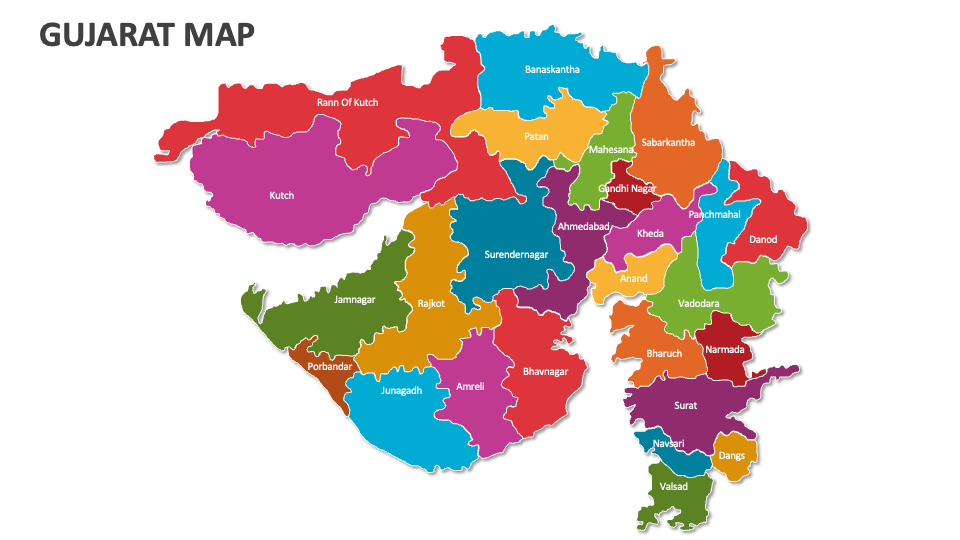
Gujarat: Basic Profile
| Fact | Information |
|---|---|
| State | Gujarat |
| Formation | 1 May 1960 |
| Capital | Gandhinagar |
| Largest city | Ahmedabad |
| Official language | Gujarati |
| Area | 1,96,024 sq km |
| Coastline | About 1,600 km |
| Location | Western India |
| Sea | Arabian Sea |
| International border | Pakistan |
| Major peninsula | Saurashtra/Kathiawar |
| Major desert/salt-marsh region | Rann of Kutch |
| Major physical regions | Mainland Gujarat, Saurashtra and Kutch |
Gujarat was created as a separate state from the former Bombay State on 1 May 1960 under the Bombay Reorganisation Act. Gujarat's official sources place its area at about 1.96 lakh sq km and its coastline at roughly 1,600 km.
Location & Boundaries
Gujarat occupies India's westernmost mainland region.
It shares boundaries with:
| Direction | State/Region |
|---|---|
| North | Rajasthan |
| East | Madhya Pradesh |
| South | Maharashtra |
| West | Arabian Sea |
| North-West | Pakistan |
Important Exam Point
Gujarat has an international boundary with Pakistan along the Kutch region.
Three Major Geographical Regions
Gujarat can be broadly divided into three major geographical regions:
A. Mainland Gujarat
- This is the broad mainland area extending from the northern/eastern parts towards southern Gujarat.
- It contains extensive plains and alluvial areas.
Major rivers associated with the mainland include:
- Sabarmati
- Mahi
- Narmada
- Tapi
B. Saurashtra / Kathiawar
Saurashtra is a peninsula projecting into the Arabian Sea.
Important cities include:
- Rajkot
- Jamnagar
- Junagadh
- Bhavnagar
- Porbandar
The region is characterised by low hills, plateaus and coastal plains.
C. Kutch
Kutch occupies the north-western part of Gujarat.
It is famous for:
- Great Rann of Kutch
- Little Rann of Kutch
- Salt marshes
- Desert landscape
- Border with Pakistan
- Distinctive Kutchi culture
Official Gujarat disaster-management material identifies Saurashtra, Kutch and Mainland Gujarat as the three major geographical regions.
4. Rann of Kutch
- The Rann of Kutch is one of the most distinctive geographical features of Gujarat.
- It is a vast seasonal salt-marsh/desert landscape.
- During the monsoon, parts of the Rann become wet and marshy. During the dry season, evaporation leaves behind extensive white salt-covered surfaces.
- Located mainly in the northern part of Kutch. Little Rann of Kutch
- Located towards the south-east of the Great Rann.
Exam Memory
- Great Rann → White salt landscape
- Little Rann → Indian Wild Ass
5. Little Rann of Kutch & Indian Wild Ass
- The Little Rann is internationally important for the conservation of the: Indian Wild Ass
- The animal is locally known as: Khur
- The Wild Ass Sanctuary protects its major habitat.
The sanctuary covers an extensive area of the Little Rann and surrounding landscape. Gujarat Tourism identifies the Little Rann as the principal habitat of the remaining Indian wild ass population.
Direct Exam Question
Indian Wild Ass is mainly associated with which region? - Little Rann of Kutch
Gulfs of Gujarat
Gujarat has two major gulfs.
1. Gulf of Kutch
- Located between the Kutch region and Saurashtra.
It is important for:
- Ports
- Marine ecosystems
- Fishing
- Salt and coastal industries
2. Gulf of Khambhat
- Located between Saurashtra and mainland Gujarat.
- Several major rivers ultimately drain into this gulf.
Memory Trick
Kutch → Gulf of Kutch
Mainland–Saurashtra → Gulf of Khambhat
7. Coastline of Gujarat
- Gujarat has one of India's longest coastlines.
- Approximate length: 1,600 km
- The coastline faces the:Arabian Sea
Important coastal districts include:
- Kutch
- Morbi
- Jamnagar
- Devbhumi Dwarka
- Porbandar
- Junagadh
- Gir Somnath
- Amreli
- Bhavnagar
- Ahmedabad
- Anand
- Bharuch
- Surat
- Navsari
- Valsad
Gujarat government information identifies 15 coastal districts.
Important Exam Fact
Gujarat is India's western coastal state with the country's longest coastline.
8. Important Hills & Peaks
Gujarat does not have very high Himalayan-type mountains, but several hill systems are important.
Girnar Hills
- Located near: Junagadh
Girnar is important for:
- Hindu pilgrimage
- Jain pilgrimage
- Tourism
- Hill geography
Highest Peak
- Girnar's Gorakhnath peak is generally recognised as the highest point of Gujarat.
- Height - Approximately 1,145 metres
Exam Pair
Highest point of Gujarat → Girnar
9. Saputara Hills
- Saputara is Gujarat's best-known hill station.
- It is located in: Dang district
- It lies in the Western Ghats/Sahyadri hill region of southern Gujarat.
Remember
Saputara → Dang → South Gujarat
10. Major Rivers of Gujarat
The four most important rivers for Gujarat geography are:
- Narmada
- Tapi
- Mahi
- Sabarmati
These rivers are especially important because they flow towards the western coast and ultimately reach the Arabian Sea system.
Master Table
| River | Important Association |
|---|---|
| Narmada | Sardar Sarovar |
| Tapi | Ukai Dam / Surat |
| Mahi | Kadana Dam |
| Sabarmati | Ahmedabad |
Gujarat government material identifies Sabarmati, Mahi, Narmada and Tapi as the four major rivers irrigating the Gujarat plains.
11. Narmada River
The Narmada is one of India's major west-flowing rivers.
- Origin: Amarkantak region, Madhya Pradesh
- Direction: Westward
- Outlet: Gulf of Khambhat
Major Project - Sardar Sarovar Project
The Narmada is extremely important for Gujarat's irrigation, drinking-water supply and hydroelectric development.
Exam Chain
Amarkantak → Narmada → Gujarat → Sardar Sarovar → Gulf of Khambhat
12. Tapi River
The Tapi/Tapti is another major west-flowing river.
- Origin - Madhya Pradesh
- Important Gujarat city - Surat
- Outlet - Arabian Sea
- Major Project - Ukai Dam
Exam Chain
Tapi → Surat → Ukai
13. Sabarmati River
The Sabarmati is one of Gujarat's most famous rivers.
- Its most important urban association is: Ahmedabad
- The river eventually reaches the: Gulf of Khambhat
- Famous Project - Sabarmati Riverfront
14. Mahi River
The Mahi is another important west-flowing river.
- It originates in Madhya Pradesh and enters Gujarat before reaching the Gulf of Khambhat.
- Major Dam - Kadana Dam
5. Other Important Rivers
| River | Region/Importance |
|---|---|
| Banas | North Gujarat |
| Saraswati | North Gujarat |
| Bhadar | Saurashtra |
| Shetrunji | Saurashtra |
| Machhu | Saurashtra |
| Damanganga | South Gujarat |
For exams, the priority order should be: Narmada → Tapi → Sabarmati → Mahi
16. Important Dams & River Projects
| Dam/Project | River |
|---|---|
| Sardar Sarovar | Narmada |
| Ukai | Tapi |
| Kadana | Mahi |
| Dharoi | Sabarmati |
| Dantiwada | Banas |
| Machhu Dam | Machhu |
Must Remember
- Sardar Sarovar → Narmada
- Ukai → Tapi
- Kadana → Mahi
- Dharoi → Sabarmati
17. Climate of Gujarat
Gujarat has a predominantly tropical climate, but there is strong regional variation.
- Kutch - Arid and very dry
- North Gujarat - Semi-arid
- Central Gujarat - Relatively moderate
- South Gujarat - More humid and receives higher rainfall
Gujarat's rainfall varies dramatically from the dry western Kutch region to the wetter southern districts. Government disaster-management material records a broad rainfall range from around 300 mm in western Kutch to around 1,500 mm in parts of Valsad and the Dang region.
18. Soils of Gujarat
The major soil categories important for exams include: Black Soil
Important for:
- Cotton
- Oilseeds
- Other agricultural crops
Alluvial Soil
- Found mainly in river plains and mainland Gujarat.
- Important for agriculture.
Sandy/Desert Soil
Especially important in:
- Kutch
- North Gujarat
Saline/Coastal Soil
Found in several coastal and Rann areas.
19. Major Crops
| Crop | Important Association |
|---|---|
| Groundnut | Saurashtra |
| Cotton | Saurashtra and other parts |
| Cumin | North Gujarat |
| Castor | North Gujarat |
| Tobacco | Central Gujarat |
| Wheat | North/Central Gujarat |
| Bajra | Drier regions |
| Sugarcane | South Gujarat |
| Banana | South Gujarat |
| Mango | South Gujarat |
High-Value Pairs
- Saurashtra → Groundnut
- North Gujarat → Cumin
- Gujarat → Cotton
20. Natural Vegetation & Ecosystems
Gujarat has a surprisingly diverse natural environment.
Major ecosystems include:
- Salt marshes
- Dry grasslands
- Dry deciduous forests
- Moist forests
- Mangroves
- Coastal ecosystems
- Wetlands
This diversity is mainly because Gujarat stretches from the dry Rann of Kutch in the north-west to the wetter forests of Dang in the south-east.
21. Important Wildlife Geography
- Gujarat is particularly important for two animals: Asiatic Lion
- Associated with: Gir landscape
- Indian Wild Ass Associated with: Little Rann of Kutch
Other important wildlife includes:
- Blackbuck
- Leopard
- Chinkara
- Flamingos
- Migratory birds
22. Marine Geography
Gujarat's coastline supports important marine ecosystems.
The Gulf of Kutch is particularly important for marine biodiversity.
The region contains:
- Coral ecosystems
- Mangroves
- Marine fish
- Dolphins
- Sea turtles
- Coastal birds
Gujarat Tourism notes that the Gulf of Kutch contains India's first Marine National Park and Marine Sanctuary, making the region important for marine biodiversity questions.
23. Important Geographical Places
| Place | Why Important? |
|---|---|
| Rann of Kutch | Salt marsh/desert |
| Little Rann | Wild Ass Sanctuary |
| Gir | Asiatic Lion |
| Girnar | Highest peak/hill pilgrimage |
| Saputara | Major hill station |
| Dangs | Forested southern region |
| Saurashtra | Major peninsula |
| Kutch | Desert/salt-marsh landscape |
| Gulf of Kutch | Marine ecosystem |
| Gulf of Khambhat | Major river outlet region |
Most Important Exam Facts
- 1. Capital → Gandhinagar
- 2. Largest city → Ahmedabad
- 3. Formation → 1 May 1960
- 4. Sea → Arabian Sea
- 5. International border → Pakistan
- 6. Major peninsula → Saurashtra/Kathiawar
- 7. Famous salt marsh → Rann of Kutch
- 8. Highest point → Girnar
- 9. Major rivers → Narmada, Tapi, Mahi, Sabarmati
- 10. Sardar Sarovar → Narmada
- 11. Ukai → Tapi
- 12. Kadana → Mahi
- 13. Ahmedabad → Sabarmati
- 14. Surat → Tapi
- 15. Gir → Asiatic Lion
- 16. Little Rann → Indian Wild Ass
- 17. Saputara → Dang
- 18. Two major gulfs → Kutch and Khambhat

Gujarat Geography MCQs
Q1. Gujarat was formed as a separate state on:
A. 15 August 1947
B. 26 January 1950
C. 1 May 1960
D. 1
November 1956
Answer: C — 1 May 1960
Q2. The capital of Gujarat is:
A. Ahmedabad
B. Vadodara
C. Rajkot
D. Gandhinagar
Answer: D — Gandhinagar
Q3. Gujarat is located in:
A. Eastern India
B. Western India
C. Northern India
D.
North-Eastern India
Answer: B — Western India
Q4. Gujarat's major coastal water body is:
A. Bay of Bengal
B. Arabian Sea
C. Indian Ocean only
D. Andaman
Sea
Answer: B — Arabian Sea
Q5. Which region is famous for its salt marsh?
A. Dang
B. Kutch
C. Vadodara
D. Kheda
Answer: B — Kutch
Q6. The highest point of Gujarat is:
A. Saputara
B. Girnar
C. Aravalli
D. Kalsubai
Answer: B — Girnar
Q7. Which river is associated with Sardar Sarovar Project?
A. Tapi
B. Mahi
C. Narmada
D. Sabarmati
Answer: C — Narmada
Q8. Ukai Dam is built on:
A. Narmada
B. Tapi
C. Mahi
D. Sabarmati
Answer: B — Tapi
Q9. Kadana Dam is associated with:
A. Mahi
B. Tapi
C. Narmada
D. Banas
Answer: A — Mahi
Q10. Ahmedabad is situated on the banks of:
A. Narmada
B. Mahi
C. Tapi
D. Sabarmati
Answer: D — Sabarmati
Q11. Asiatic lions are primarily associated with:
A. Gir
B. Kutch
C. Saputara
D. Dangs
Answer: A — Gir
Q12. Indian Wild Ass is primarily associated with:
A. Gir Forest
B. Little Rann of Kutch
C. Saurashtra Hills
D.
Dang Forest
Answer: B — Little Rann of Kutch
Q13. Saputara is located in:
A. Kutch
B. Dang
C. Jamnagar
D. Banaskantha
Answer: B — Dang
Q14. Which two major gulfs are located along Gujarat's coast?
A. Gulf of Mannar and Gulf of Kutch
B. Gulf of Kutch and Gulf of
Khambhat
C. Gulf of Cambay and Gulf of Mannar
D. Gulf of Aden and
Gulf of Kutch
Answer: B — Gulf of Kutch and Gulf of Khambhat
Q15. Which region generally receives the least rainfall?
A. South Gujarat
B. Dang
C. Western Kutch
D. Valsad
Answer: C — Western Kutch
Q16. Which region is comparatively wetter?
A. Western Kutch
B. South Gujarat
C. Northern Kutch
D. Western
Saurashtra
Answer: B — South Gujarat
Q17. Which is the major peninsula of Gujarat?
A. Kathiawar/Saurashtra
B. Konkan
C. Malabar
D. Coromandel
Answer: A — Kathiawar/Saurashtra
Q18. Which river is one of the major west-flowing rivers of Gujarat?
A. Yamuna
B. Narmada
C. Ganga
D. Mahanadi
Answer: B — Narmada
Q19. Which crop is strongly associated with Saurashtra?
A. Tea
B. Groundnut
C. Jute
D. Coffee
Answer: B — Groundnut
Q20. Which marine protected area is associated with the Gulf of Kutch?
A. Marine National Park
B. Chilika National Park
C. Gulf of Mannar
Reserve only
D. Sundarbans National Park
Answer: A — Marine National Park
Gujarat's Ancient History
- The history of Gujarat goes back thousands of years.
- The most important ancient historical phase is the: Indus Valley / Harappan Civilisation
- Gujarat contained important Harappan settlements that connected the civilisation with maritime trade and western India.
- The two most important sites for exams are: Lothal and Dholavira
Other important archaeological sites include:
- Rangpur
- Surkotada
- Rojdi
- Desalpur
Lothal: Ancient Port City
- Lothal is one of the most important Harappan sites in Gujarat.
- It is located in present-day: Ahmedabad district
- Lothal flourished as a major trading settlement during the Harappan period.
Why is Lothal important?
It is famous for its:
- Dockyard
- Warehouses
- Bead-making industry
- Drainage system
- Planned settlement
- Maritime trade
Archaeological evidence indicates that Lothal had trade connections extending towards regions of the Persian Gulf and Mesopotamia. Gujarat Tourism describes its dockyard as the world's oldest known artificial dock.
Exam Memory
Lothal → Harappan civilisation → Dockyard → Maritime trade
Dholavira: Harappan City of Kutch
- Dholavira is located on: Khadir Bet, Kutch
- It was one of the major urban centres of the Harappan civilisation.
Dholavira is particularly famous for its:
- Advanced water-management system
- Reservoirs
- Drainage
- Planned urban layout
- Citadel
- Large open spaces
- Archaeological inscriptions/signs
The site was inscribed on the UNESCO World Heritage List in 2021.
Exam Memory
Dholavira → Kutch → Harappan city → Water management → UNESCO 2021
Lothal vs Dholavira
This comparison is extremely important for exams.
| Lothal | Dholavira |
|---|---|
| Ahmedabad region | Kutch |
| Harappan site | Harappan site |
| Famous for dockyard | Famous for water management |
| Maritime trade | Reservoirs & urban planning |
| Trade connections | Sophisticated city planning |
| Archaeological site | UNESCO World Heritage Site |
Mauryan Period
- After the Harappan period, Gujarat came under the influence of several ancient powers.
- One of the most important was the: Mauryan Empire
- The region became part of the Mauryan imperial system under: Chandragupta Maurya
- Later, Gujarat was associated with: Emperor Ashoka
Girnar & Ashoka
- Ashoka's rock edicts are found at: Girnar, near Junagadh
- These inscriptions are important evidence of Mauryan influence in the region.
Exam Point
Ashoka's Rock Edicts in Gujarat → Girnar
Western Kshatrapas
- After the Mauryan period, parts of Gujarat came under the control of the: Western Kshatrapas
- They are also known as: Shakas
- One of their most famous rulers was: Rudradaman I
- His most important historical inscription is the: Junagadh Rock Inscription
Junagadh Rock Inscription of Rudradaman
- The inscription of Rudradaman is important for several reasons.
- It records the repair of: Sudarshana Lake
- The lake had originally been constructed during the Mauryan period and was later repaired during Rudradaman's reign.
Language
- The inscription is famous as an important early example of extensive: Sanskrit inscriptional prose
Exam Chain
Rudradaman → Junagadh inscription → Sudarshana Lake → Sanskrit
Gupta Influence
- Gujarat later came under the influence of the: Gupta Empire
- The Gupta period strengthened cultural and political links between Gujarat and northern India.
- After the decline of Gupta power, regional kingdoms became increasingly important.
Maitraka Dynasty of Vallabhi
- One of the most important post-Gupta dynasties of Gujarat was the: Maitraka Dynasty
- Their capital was: Vallabhi
Vallabhi became an important centre of:
- Education
- Buddhism
- Jainism
- Trade
- Political administration
The Maitrakas ruled much of western India for several centuries after the decline of Gupta authority.
Exam Pair
Maitrakas → Vallabhi
Vallabhi: Important Ancient Centre
- Vallabhi was located in the Saurashtra region.
- It became famous as an important centre of learning.
It was associated particularly with:
- Buddhist learning
- Jain scholarship
- Trade
Remember
Nalanda → famous ancient university in eastern India
Vallabhi → important ancient centre of learning in western India
Chavada Dynasty
- The next important phase of Gujarat's regional history is associated with the: Chavada Dynasty
- The most famous ruler was: Vanraj Chavda
- He is traditionally associated with the establishment of: Anahilapataka / Anhilwad Patan as his capital.
The city became one of the most important political centres of medieval Gujarat. Gujarat government historical material places Vanraj Chavda's establishment of Anahilpur Patan in the 8th century.
Anhilwad Patan
Anhilwad Patan became the centre of Gujarat's political power under the Chavadas and later the Solankis.
Important rulers associated with Patan include:
- Vanraj Chavda
- Bhimdev I
- Siddharaj Jaysinh
- Kumarapala
Patan is also famous for:
- Rani ki Vav
- Sahastralinga Talav
- Jain temples
- Solanki architecture
Solanki / Chaulukya Dynasty
- The: Solanki or Chaulukya dynasty was one of the most important dynasties in Gujarat's history.
- Their political centre was: Anahilwad Patan
- The Solanki period is often regarded as a golden period of architecture and culture in Gujarat.
Important rulers include:
- Mularaja I
- Bhimdev I
- Siddharaj Jaysinh
- Kumarapala
Mularaja I
- Mularaja I is traditionally regarded as the founder of the Solanki dynasty's rule in Gujarat.
- He established Solanki power at: Anahilwad Patan
- Gujarat government historical material places the beginning of Solanki rule under Mularaja around 942 CE.
Bhimdev I
- Bhimdev I was an important Solanki ruler.
- He is associated with major developments in Gujarat's architecture.
- Important Monument - Modhera Sun Temple
- The temple was constructed during his reign in the early 11th century.
- The Solanki period is strongly associated with temple architecture, stepwells and sophisticated stone carving.
Modhera Sun Temple
- The: Sun Temple at Modhera is one of Gujarat's most famous architectural monuments.
- It is located in: Mehsana district
- It is associated with: Solanki ruler Bhimdev I
Important architectural features include:
- Main shrine
- Sabha Mandapa
- Surya Kund
- Intricate stone carvings
Exam Pair
Modhera Sun Temple → Bhimdev I → Solanki dynasty
Siddharaj Jaysinh
Siddharaj Jaysinh was one of the most powerful Solanki rulers.
He expanded Solanki influence and became famous for:
- Military campaigns
- Administration
- Architecture
- Water structures
His reign represents one of the high points of Solanki Gujarat.
Kumarapala
- Another major Solanki ruler was: Kumarapala
- He is especially associated with the influence of: Jainism
- The Jain scholar: Acharya Hemachandra was an important intellectual figure associated with his court.
Hemachandra
Acharya Hemachandra was one of medieval Gujarat's greatest scholars.
He was known for his work in:
- Sanskrit
- Prakrit
- Grammar
- Jain philosophy
- Literature
- History
- He is often remembered as: Kalikal Sarvajna
- meaning: Omniscient of the Kali Age
Exam Pair
Kumarapala → Jainism → Hemachandra
Vastupal & Tejpal
The brothers: Vastupal and Tejpal were important ministers and patrons during the later Solanki period.
They supported:
- Jain temples
- Architecture
- Literature
- Public works
They are particularly associated with the famous: Dilwara Jain Temples of Mount Abu and other Jain architectural works in western India.
Rani ki Vav
- One of Gujarat's most important monuments is: Rani ki Vav
- located at: Patan
- It was commissioned by: Queen Udayamati in memory of her husband: Bhimdev I
- It is a magnificent example of: Stepwell architecture
- Rani ki Vav is a: UNESCO World Heritage Site and is recognised for its highly decorated underground architecture.
Exam Chain
Patan → Rani ki Vav → Udayamati → Bhimdev I
Solanki Architecture
For competitive exams, connect the Solanki period with:
- Modhera Sun Temple
- Rani ki Vav
- Jain temple architecture
- Stepwells
- Patan
- Anahilwad
- Hemachandra
- Kumarapala
Memory Chain
Solanki → Patan → Modhera → Rani ki Vav → Jain architecture
Decline of Solanki Power
- After the decline of the Solanki/Chaulukya dynasty, Gujarat saw the rise of: Vaghela rulers
- The Vaghelas continued to control Gujarat for a period before the region came under expanding Muslim political power.
Gujarat Under Delhi Sultanate
- By the end of the 13th century, Gujarat came under the expanding influence of the: Delhi Sultanate
- Alauddin Khalji's expansion brought Gujarat under Delhi's control.
Gujarat became strategically important because of:
- Ports
- Trade
- Wealth
- Agricultural resources
- Strategic location
Gujarat Sultanate
- The next major phase was the emergence of the: Independent Gujarat Sultanate
- It became one of the most important regional Muslim kingdoms of medieval India.
The Gujarat Sultanate is especially associated with:
- Ahmedabad
- Champaner
- Indo-Islamic architecture
- Trade
- Textile production
- Ports
Ahmad Shah I
- The most important ruler in the early Gujarat Sultanate was: Ahmad Shah I
- He founded: Ahmedabad in: 1411 CE
- The city was named after him.
- Ahmedabad subsequently became one of the most important political, commercial and architectural centres of Gujarat.
Exam Pair
Ahmad Shah I → Ahmedabad → 1411
Ahmedabad
Ahmedabad became famous for:
- Mosques
- Tombs
- Pols
- Markets
- Textile trade
- Indo-Islamic architecture
The Gujarat Sultanate developed a distinctive architectural style that combined: Islamic + Hindu/Jain architectural traditions
This produced the famous Gujarat Sultanate architectural style.
Mahmud Begada
- One of the most famous rulers of the Gujarat Sultanate was: Sultan Mahmud Begada
- He ruled during the late 15th century.
He is particularly associated with the conquest and development of:
- Champaner
- Junagadh
His reign represented a major period of expansion for the Gujarat Sultanate.
Champaner
- Champaner became an important political centre under Mahmud Begada.
- The site is now known as: Champaner-Pavagadh Archaeological Park
It contains:
- Fortifications
- Mosques
- Temples
- Palaces
- Water structures
- Urban remains
It was declared a: UNESCO World Heritage Site in 2004
Exam Pair
Mahmud Begada → Champaner → UNESCO
Gujarat's Medieval Maritime Trade
Gujarat's coastline made it a major centre of international trade.
Important ports included:
- Cambay/Khambhat
- Surat
- Bharuch
- Diu
Merchants traded with regions around:
- Arabian Peninsula
- Persian Gulf
- East Africa
- Red Sea
- South-East Asia
Important Point
Gujarat's maritime location helped make it one of medieval India's major commercial regions.
Mughal Conquest of Gujarat
- The Gujarat Sultanate eventually came under Mughal control.
- The Mughal emperor: Akbar conquered Gujarat in: 1572–73
- Gujarat then became an important Mughal province.
Why was Gujarat important to the Mughals?
Because of:
- Ports
- Overseas trade
- Wealth
- Strategic western location
Surat Under the Mughals
During the Mughal period: Surat became one of India's most important ports.
It was an important centre for:
- Overseas trade
- Pilgrimage traffic to Mecca
- European merchants
- Textile exports
The English East India Company established a factory at Surat in the early 17th century.
Gujarat
| Period | Major Development |
|---|---|
| c. 3rd millennium BCE | Harappan settlements |
| Harappan period | Lothal & Dholavira |
| Mauryan period | Gujarat under Mauryan influence |
| 2nd century CE | Western Kshatrapa/Rudradaman |
| Post-Gupta period | Maitraka rule |
| 8th century | Chavada/Vanraj Chavda |
| 10th–13th century | Solanki/Chaulukya period |
| 11th century | Modhera & major temple architecture |
| 13th century | Delhi Sultanate expansion |
| 15th century | Gujarat Sultanate |
| 1411 | Ahmedabad founded |
| Late 15th century | Mahmud Begada |
| 1572–73 | Akbar's conquest of Gujarat |
Most Important Dynasty → Capital/Place
| Dynasty/Power | Important Centre |
|---|---|
| Harappans | Lothal, Dholavira |
| Maitrakas | Vallabhi |
| Chavadas | Anhilwad Patan |
| Solankis | Anhilwad Patan |
| Gujarat Sultanate | Ahmedabad |
| Mahmud Begada | Champaner |

History MCQs
Q1. Which Harappan site in Gujarat is famous for its dockyard?
A. Dholavira
B. Lothal
C. Rangpur
D. Surkotada
Answer: B — Lothal
Q2. Dholavira is located in:
A. Surat
B. Kutch
C. Vadodara
D. Bharuch
Answer: B — Kutch
Q3. Dholavira was added to the UNESCO World Heritage List in:
A. 2004
B. 2014
C. 2021
D. 2023
Answer: C — 2021
Q4. Ashoka's important rock edicts in Gujarat are associated with:
A. Patan
B. Girnar
C. Surat
D. Champaner
Answer: B — Girnar
Q5. The Junagadh inscription of Rudradaman is associated with:
A. Sudarshana Lake
B. Rani ki Vav
C. Modhera Temple
D.
Sabarmati River
Answer: A — Sudarshana Lake
Q6. The Maitraka dynasty had its capital at:
A. Ahmedabad
B. Vallabhi
C. Patan
D. Champaner
Answer: B — Vallabhi
Q7. Who is associated with the foundation of Anhilwad Patan?
A. Ahmad Shah I
B. Vanraj Chavda
C. Mahmud Begada
D. Mularaja
II
Answer: B — Vanraj Chavda
Q8. The Solanki dynasty is strongly associated with:
A. Patan
B. Surat
C. Diu
D. Bharuch
Answer: A — Patan
Q9. Modhera Sun Temple is associated with:
A. Bhimdev I
B. Ahmad Shah I
C. Akbar
D. Mahmud Begada
Answer: A — Bhimdev I
Q10. Rani ki Vav was commissioned by:
A. Rudramadevi
B. Udayamati
C. Nur Jahan
D. Razia Sultan
Answer: B — Udayamati
Q11. Rani ki Vav is located at:
A. Patan
B. Ahmedabad
C. Junagadh
D. Surat
Answer: A — Patan
Q12. Hemachandra was associated with the court of:
A. Kumarapala
B. Ahmad Shah I
C. Akbar
D. Mahmud Begada
Answer: A — Kumarapala
Q13. Ahmedabad was founded in 1411 by:
A. Mahmud Begada
B. Ahmad Shah I
C. Akbar
D. Mularaja I
Answer: B — Ahmad Shah I
Q14. Mahmud Begada is particularly associated with:
A. Champaner
B. Lothal
C. Dholavira
D. Vallabhi
Answer: A — Champaner
Q15. Champaner-Pavagadh Archaeological Park became a UNESCO World Heritage Site in:
A. 1987
B. 1999
C. 2004
D. 2010
Answer: C — 2004
Q16. Akbar conquered Gujarat during:
A. 1526–27
B. 1556–57
C. 1572–73
D. 1605–06
Answer: C — 1572–73
Q17. Which city became a major port during the Mughal period?
A. Surat
B. Patan
C. Mehsana
D. Gandhinagar
Answer: A — Surat
Q18. Which pair is correctly matched?
A. Lothal — Jain university
B. Vallabhi — Maitraka capital
C. Patan
— Gujarat Sultanate capital
D. Ahmedabad — Chavada capital
Answer: B — Vallabhi
Q19. Which ruler is associated with the Junagadh inscription?
A. Ashoka
B. Rudradaman I
C. Kumarapala
D. Ahmad Shah I
Answer: B — Rudradaman I
Q20. Which dynasty is associated with the golden period of Gujarat's medieval temple architecture?
A. Solanki/Chaulukya
B. Maurya
C. Gupta
D. Mughal
Answer: A — Solanki/Chaulukya
Gujarat History
For exams, these are the core historical connections:
Lothal → Harappan → Dockyard
Dholavira → Harappan → Water management → UNESCO 2021
Ashoka → Girnar Rock Edicts
Rudradaman → Junagadh Inscription → Sudarshana Lake
Maitrakas → Vallabhi
Vanraj Chavda → Anhilwad Patan
Solankis → Patan → Temple architecture
Bhimdev I → Modhera Sun Temple
Udayamati → Rani ki Vav
Kumarapala → Hemachandra → Jain influence
Ahmad Shah I → Ahmedabad → 1411
Mahmud Begada → Champaner
Akbar → Gujarat → 1572–73
Mughal Gujarat → Surat → Overseas trade
Modern History
European powers → British East India Company → Surat & Gujarat under British influence → Princely States → Mahatma Gandhi → Sabarmati Ashram → Kheda Satyagraha → Ahmedabad Mill Strike → Bardoli Satyagraha → Dandi March → Quit India Movement → Sardar Patel → Gujarat Formation in 1960
Gujarat played an exceptional role in India's freedom struggle. The state became closely associated with Mahatma Gandhi, Sardar Vallabhbhai Patel, non-violent resistance, civil disobedience, peasant movements and the Salt Satyagraha.
This part focuses only on the modern-history facts that are most useful for competitive exams.
Gujarat Under European Powers
Because of its long coastline and prosperous ports, Gujarat attracted several European trading powers.
Important European groups included:
- Portuguese
- Dutch
- English
- French
The Portuguese established themselves in parts of the western coast, particularly around Diu.
Later, the English East India Company expanded its commercial influence through Gujarat's major ports.
Surat and the East India Company
Surat became one of the earliest important centres of the English East India Company's activities in western India.
The English established a factory at Surat in the early 17th century.
Surat was valuable because of its:
- Overseas trade
- Textile exports
- Maritime connections
- Pilgrimage traffic
- Commercial links with West Asia
Exam Point
Surat → Early English commercial centre in western India
Gujarat Under the Marathas
- Before the British consolidated their power, parts of Gujarat were controlled or influenced by various regional powers.
- The: Gaekwads of Baroda became one of the most important Maratha ruling houses in Gujarat.
- Their capital was: Baroda/Vadodara
- The Gaekwad dynasty continued to rule the princely state of Baroda until Indian independence.
British Political Expansion
The British gradually expanded their control over Gujarat during the late 18th and early 19th centuries.
The region was divided among:
- British-administered territories
- Princely states
- Local rulers
Important princely states included:
- Baroda
- Junagadh
- Bhavnagar
- Nawanagar
- Porbandar
- Palanpur
- Gondal
This political fragmentation became an important feature of Gujarat before independence.
Gujarat and the Revolt of 1857
- Gujarat was not the principal centre of the Revolt of 1857, but several areas witnessed resistance and political activity.
- The region of: Panchmahal and parts of northern Gujarat experienced disturbances.
- Local rulers, soldiers and communities participated in resistance against British authority in different areas.
For exam purposes, remember: 1857 → Resistance also reached parts of Gujarat, but Gujarat's most famous freedom movements came later through Gandhian mass movements.
Gandhi's Connection with Gujarat
- Mahatma Gandhi was born in: Porbandar on: 2 October 1869
- His full name was: Mohandas Karamchand Gandhi
His early life was closely connected with:
- Porbandar
- Rajkot
- Ahmedabad
Gujarat later became one of the most important bases of his political activities in India.
Gandhi's Return to India
- Gandhi returned to India from South Africa in: 1915
- Soon after his return, he established institutions and began working on social and political issues.
- His political activities in Gujarat became especially important from: 1917 onwards
Sabarmati Ashram
- One of the most important Gandhian centres in Gujarat was: Sabarmati Ashram
- It was established by Gandhi in Ahmedabad in: 1917
The ashram became an important centre for:
- National movement activities
- Satyagraha
- Khadi
- Social reform
- Constructive programmes
The historic Dandi March of 1930 also began from Ahmedabad. Gujarat government historical material identifies the ashram as an important centre of Gandhi's activities and records the start of the Dandi March from Ahmedabad on 12 March 1930.
Kheda Satyagraha — 1918
One of Gandhi's earliest major movements in India was: Kheda Satyagraha - Year 1918 Region: Kheda, Gujarat
Main issue
- Farmers faced severe crop failure and economic hardship but were still expected to pay land revenue.
- Gandhi and local leaders supported the peasants' demand for revenue relief.
Important Leaders
- Mahatma Gandhi
- Sardar Vallabhbhai Patel
- Indulal Yagnik
- Shankarlal Banker
Exam Connection
Kheda → Farmers → Revenue → 1918
Ahmedabad Mill Strike — 1918
- Another important Gandhian movement took place in: Ahmedabad in: 1918
- It involved: Textile mill workers
- The dispute concerned wages and working conditions.
- Gandhi supported the workers and used: Satyagraha and fasting as methods of negotiation.
- The Ahmedabad district's official history identifies the 1918 mill strike as an important landmark in Gujarat's labour movement.
Exam Connection
Ahmedabad → Mill Workers → 1918
Kheda vs Ahmedabad Mill Strike
This is a very common exam comparison.
| Kheda Satyagraha | Ahmedabad Mill Strike |
|---|---|
| 1918 | 1918 |
| Peasants | Textile workers |
| Land revenue issue | Wage/labour dispute |
| Kheda | Ahmedabad |
| Gandhi + Patel | Gandhi |
Memory Trick
Kheda = Kisan
Ahmedabad = Mill workers
Non-Cooperation Movement
- The: Non-Cooperation Movement was launched nationally in: 1920
- Gujarat actively participated in the movement.
Important activities included:
- Boycott of foreign goods
- Promotion of khadi
- National education
- Public mobilisation
- Boycott of British institutions
Gujarat's urban centres and local organisations became important centres of nationalist mobilisation.
Bardoli Satyagraha — 1928
- One of the most important peasant movements in Gujarat was: Bardoli Satyagraha...Year - 1928
- Location - Bardoli, Surat district
Main issue
- The British administration had increased land revenue assessments, creating serious difficulties for farmers.
- The peasants refused to pay the increased revenue.
Sardar Vallabhbhai Patel & Bardoli
- The movement was led by: Sardar Vallabhbhai Patel
- His leadership made the movement highly successful.
- After the success of the movement, women of Bardoli are traditionally credited with giving him the title: "Sardar"
Exam Connection
Bardoli Satyagraha → 1928 → Vallabhbhai Patel → Sardar
Importance of Bardoli Satyagraha
The Bardoli movement demonstrated:
- Power of organised peasant resistance
- Effectiveness of non-violent protest
- Leadership of Vallabhbhai Patel
- Growing strength of the Indian National Congress in Gujarat
It became one of the major examples of successful civil resistance before the Salt Satyagraha.
Dandi March — 1930
- The most famous Gandhian movement associated with Gujarat was: Dandi March
- It began on: 12 March 1930
- from: Sabarmati Ashram, Ahmedabad
- Gandhi and his selected group of satyagrahis marched towards: Dandi on the Gujarat coast.
- They reached Dandi on: 6 April 1930
Purpose of the Dandi March
- The central issue was: British salt monopoly and salt tax
- Gandhi deliberately chose salt because it was used by ordinary people across society.
- At Dandi, Gandhi broke the colonial salt law by making salt from seawater.
Exam Chain
12 March 1930 → Sabarmati
6 April 1930 → Dandi
Salt Law → Civil Disobedience
Civil Disobedience Movement
- The Dandi March became the launch point for a much wider: Civil Disobedience Movement
- People across India began challenging colonial laws and institutions.
In Gujarat, the movement spread through:
- Coastal areas
- Villages
- Towns
- Local satyagraha centres
Gujarat government historical records document participation from areas including Bharuch and Jambusar in the Dandi movement.
Dholera Satyagraha
- Another important movement in Gujarat during the Civil Disobedience phase was: Dholera Satyagraha
- Dholera was a centre of nationalist resistance against British authority.
- It demonstrated that the Civil Disobedience Movement was not limited to the Dandi route.
Exam Point
Dholera → Gujarat → Civil Disobedience Movement
Gandhi and Gujarat
| Place | Association |
|---|---|
| Porbandar | Gandhi's birthplace |
| Rajkot | Gandhi's childhood years |
| Ahmedabad | Sabarmati Ashram |
| Kheda | Kheda Satyagraha |
| Bardoli | Bardoli Satyagraha |
| Dandi | Salt March |
| Dholera | Civil Disobedience |
| Surat region | Bardoli movement |
Quit India Movement — 1942
- The: Quit India Movement was launched in: August 1942
- Gujarat also witnessed participation in the movement.
Students, workers and local activists participated in:
- Demonstrations
- Strikes
- Underground activities
- Anti-British campaigns
The movement marked the final major mass phase of India's struggle for independence.
Sardar Vallabhbhai Patel
One of the most important leaders associated with Gujarat was:
Sardar Vallabhbhai Patel
- He was born in: Nadiad, Gujarat in: 1875
- He became one of the most prominent leaders of the Indian National Congress.
Major Contributions
- Kheda Satyagraha
- Bardoli Satyagraha
- Congress organisation
- Freedom movement
- Integration of princely states after independence
Patel and Integration of Princely States
- After independence, Patel served as: Deputy Prime Minister and Home Minister of India
- He played a central role in integrating hundreds of princely states into the Indian Union.
- This earned him the popular title: Iron Man of India
Exam Connection
Sardar Patel → Integration of Princely States
Important Gujarat Facts
| Fact | Answer |
|---|---|
| Birthplace | Porbandar |
| Birth date | 2 October 1869 |
| Childhood association | Rajkot |
| Major Gujarat base | Ahmedabad |
| Ashram | Sabarmati Ashram |
| Kheda movement | 1918 |
| Ahmedabad Mill Strike | 1918 |
| Bardoli | 1928 |
| Dandi March | 1930 |
Gujarat's Role in the Freedom Movement
| Year | Event |
|---|---|
| 1915 | Gandhi returned to India |
| 1917 | Sabarmati Ashram established |
| 1918 | Kheda Satyagraha |
| 1918 | Ahmedabad Mill Strike |
| 1920 | Non-Cooperation Movement |
| 1928 | Bardoli Satyagraha |
| 1930 | Dandi March |
| 1930 | Civil Disobedience Movement |
| 1942 | Quit India Movement |
| 1947 | India became independent |
| 1960 | Gujarat became a separate state |
Gujarat After Independence
- After independence, Gujarat became part of the: Bombay State
- The integration of princely states created a larger administrative unit.
- However, linguistic identity eventually became a major political issue.
- The movement for separate Gujarati and Marathi-speaking states eventually resulted in the division of Bombay State.
Mahagujarat Movement
- The movement demanding a separate Gujarati-speaking state became known as: Mahagujarat Movement
- Its central demand was: A separate state for Gujarati-speaking people
- The movement gained momentum during the 1950s.
- Important leader associated with the movement: Indulal Yagnik
Formation of Gujarat — 1960
- The Bombay State was divided under the: Bombay Reorganisation Act, 1960
- Two states were created: Gujarat for predominantly Gujarati-speaking areas Maharashtra for predominantly Marathi-speaking areas
- The new states came into existence on: 1 May 1960
- This day is celebrated as: Gujarat Day and: Maharashtra Day
First Chief Minister of Gujarat
- The first Chief Minister of Gujarat was: Dr. Jivraj Narayan Mehta
- He became the first Chief Minister when the state was formed in 1960.
Exam Pair
First CM of Gujarat → Jivraj Mehta
First Capital of Gujarat
- After the formation of Gujarat, the capital was initially: Ahmedabad
- Ahmedabad remained the capital until: 1970
- The capital was subsequently shifted to: Gandhinagar
- Gujarat government historical material confirms Ahmedabad served as the state capital until 1970.
Important
1960 → Gujarat formed
1970 → Gandhinagar became capital
Gujarat Modern History
| Event | Year | Key Person/Place |
|---|---|---|
| Gandhi returned to India | 1915 | Gandhi |
| Sabarmati Ashram | 1917 | Ahmedabad |
| Kheda Satyagraha | 1918 | Gandhi/Patel |
| Ahmedabad Mill Strike | 1918 | Gandhi |
| Non-Cooperation | 1920 | Gandhi |
| Bardoli Satyagraha | 1928 | Sardar Patel |
| Dandi March | 1930 | Gandhi |
| Civil Disobedience | 1930 | Gujarat |
| Quit India | 1942 | National movement |
| Independence | 1947 | India |
| Mahagujarat Movement | 1950s | Indulal Yagnik |
| Gujarat formed | 1960 | Jivraj Mehta |
| Gandhinagar became capital | 1970 | Gujarat |

Modern History MCQs
Q1. Mahatma Gandhi was born in which city of Gujarat?
A. Ahmedabad
B. Rajkot
C. Porbandar
D. Surat
Answer: C — Porbandar
Q2. Gandhi returned to India from South Africa in:
A. 1911
B. 1915
C. 1919
D. 1920
Answer: B — 1915
Q3. Kheda Satyagraha took place in:
A. 1915
B. 1917
C. 1918
D. 1920
Answer: C — 1918
Q4. Kheda Satyagraha was primarily related to:
A. Salt tax
B. Land revenue
C. Factory wages
D. Education
Answer: B — Land revenue
Q5. Ahmedabad Mill Strike of 1918 involved:
A. Farmers
B. Textile workers
C. Students
D. Railway workers
Answer: B — Textile workers
Q6. Bardoli Satyagraha was led by:
A. Mahatma Gandhi
B. Jawaharlal Nehru
C. Sardar Vallabhbhai Patel
D.
Subhas Chandra Bose
Answer: C — Sardar Vallabhbhai Patel
Q7. Bardoli Satyagraha took place in:
A. 1918
B. 1922
C. 1928
D. 1930
Answer: C — 1928
Q8. Which movement led to Vallabhbhai Patel being popularly called "Sardar"?
A. Kheda Satyagraha
B. Bardoli Satyagraha
C. Dandi March
D.
Quit India Movement
Answer: B — Bardoli Satyagraha
Q9. Dandi March began on:
Answer: B — 12 March 1930
Q10. Dandi March began from:
A. Porbandar
B. Bardoli
C. Sabarmati Ashram
D. Surat
Answer: C — Sabarmati Ashram
Q11. Gandhi reached Dandi on:
A. 12 March 1930
B. 26 March 1930
C. 6 April 1930
D. 15 April
1930
Answer: C — 6 April 1930
Q12. The Dandi March was mainly against:
A. Land revenue
B. Salt law
C. Education policy
D. Factory
regulations
Answer: B — Salt law
Q13. Sardar Vallabhbhai Patel was born in:
A. Nadiad
B. Surat
C. Ahmedabad
D. Porbandar
Answer: A — Nadiad
Q14. The Mahagujarat Movement demanded:
A. Merger with Maharashtra
B. Separate Gujarati-speaking state
C.
Separate Saurashtra country
D. Independent Gujarat
Answer: B — Separate Gujarati-speaking state
Q15. Who was closely associated with the Mahagujarat Movement?
A. Indulal Yagnik
B. Gopal Krishna Gokhale
C. Dadabhai Naoroji
D.
Bal Gangadhar Tilak
Answer: A — Indulal Yagnik
Q16. Gujarat was formed as a separate state in:
A. 1947
B. 1956
C. 1960
D. 1966
Answer: C — 1960
Q17. The first Chief Minister of Gujarat was:
A. Morarji Desai
B. Jivraj Mehta
C. Indulal Yagnik
D. Sardar
Patel
Answer: B — Jivraj Mehta
Q18. The first capital of Gujarat was:
A. Gandhinagar
B. Vadodara
C. Ahmedabad
D. Rajkot
Answer: C — Ahmedabad
Q19. Gandhinagar became the capital of Gujarat in:
A. 1960
B. 1965
C. 1970
D. 1975
Answer: C — 1970
Q20. Which event is correctly matched?
A. Kheda — 1928
B. Bardoli — 1918
C. Dandi — 1930
D. Ahmedabad
Mill Strike — 1928
Answer: C — Dandi — 1930
Final Memory Chain
Porbandar → Gandhi's birth
1915 → Gandhi returns to India
1917 → Sabarmati Ashram
1918 → Kheda + Ahmedabad Mill Strike
1928 → Bardoli → Sardar Patel
1930 → Dandi → Salt Law
1942 → Quit India
1950s → Mahagujarat Movement
1960 → Gujarat formed
Jivraj Mehta → First Chief Minister
1970 → Gandhinagar becomes capital
Culture & Heritage
Gujarati festivals → Folk dances → Folk music → Garba/Dandiya → Bhavai → Gujarati literature → Saints → Tribes → Traditional clothing → Handicrafts → Cuisine → Fairs → Important cultural personalities → Culture-based MCQs
Gujarat is known for its colourful folk traditions, Garba, traditional textiles, tribal culture, Gujarati literature and distinctive handicrafts.
Garba of Gujarat – UNESCO Heritage
- The most important cultural fact to remember is: Garba of Gujarat was inscribed on UNESCO's Representative List of the Intangible Cultural Heritage of Humanity in 2023.
- Garba is traditionally associated with Navratri and is performed around a lamp or an image of the goddess.
- UNESCO describes it as a ritualistic and devotional dance associated with the worship of feminine energy or Shakti.
Exam Point
Garba → Gujarat → Navratri → UNESCO Intangible Cultural Heritage → 2023
This is one of the highest-priority Gujarat culture questions.
Garba and Dandiya Raas – Difference
Although both are strongly associated with Gujarat, their traditional forms are not exactly the same.
| Garba | Dandiya Raas |
|---|---|
| Associated strongly with Navratri | Also popular during Navratri |
| Traditionally performed around a lamp/garbo | Performed using decorated sticks |
| Devotional roots | Strong association with Raas tradition |
| Circular movement | Circular/group movement |
| Shakti worship is central | Krishna/Raas traditions are also associated |
Gujarat Tourism notes that Garba is traditionally performed around the garbi, while Dandiya Raas uses sticks that are struck together during the dance.
Raas
- Raas is another major Gujarati folk dance tradition.
- It is strongly associated with: Lord Krishna and the Gopis
- The dance involves coordinated circular movements and rhythmic use of sticks in many forms.
- Gujarat government material also identifies Garba, Garbi and Raas as important traditional Gujarati dance forms.
Exam Pair
Raas → Krishna tradition
Tippani Dance
- Tippani is an important folk dance of Gujarat.
- It originated in: Saurashtra
- The dance developed from the traditional use of a tool called a tippani, used in construction work.
- Workers used the tool to pound/level material while working, and the rhythm associated with this activity became connected with the dance.
Exam Point
Tippani → Saurashtra → Labour/Construction tradition
Padhar Community and Halesa Dance
- The Padhar community has a distinctive traditional dance known as: Halesa
- The Government of India's tribal cultural portal records Halesa as a traditional dance of the Padhar tribe.
- It is performed particularly around religious and festive occasions.
Remember
Padhar → Halesa
Tribal Dance Traditions of Gujarat
Gujarat has several tribal communities with their own music and dance traditions.
Important communities include:
- Bhil
- Rathwa
- Gamit
- Warli
- Garasia
- Halpati
- Padhar
- Dangi
The Dangs region is particularly important for tribal culture, with communities such as Bhils, Kunbis, Warlis and Gamits represented in its cultural traditions.
Rathwa Community
- The: Rathwa community is particularly associated with: Chhota Udepur region
- The annual Kavant Fair is strongly associated with the Rathwa community.
It is connected with:
- Harvest traditions
- Community gathering
- Music
- Dance
- Traditional dress
- Tribal social life
The Gujarat Tourism Department describes Kavant as a major gathering of the Rathwa community.
Exam Pair
Rathwa → Kavant Fair
Pithora Painting
- One of the distinctive tribal art traditions of Gujarat is: Pithora painting
- It is strongly associated with: Rathwa and related tribal communities and particularly with the: Chhota Udepur region
- It is a ritualistic wall-painting tradition rather than simply decorative painting.
Exam Point
Pithora → Rathwa → Chhota Udepur
Bhavai – Gujarati Folk Theatre
Bhavai is one of Gujarat's most important traditional folk theatre forms.
It combines:
- Acting
- Music
- Dance
- Satire
- Social commentary
Bhavai has historically been performed as a popular community theatre tradition.
It continues to be associated with Gujarat's traditional performing arts. Gujarat Tourism also records Bhavai performances as part of the cultural traditions around Ambaji.
Exam Point
Bhavai → Gujarati folk theatre
Gujarati Folk Music
Gujarati folk music includes different forms connected with:
- Festivals
- Weddings
- Religious traditions
- Community celebrations
- Daily life
Important traditional musical communities include: Charans and Gadhavis
These communities have historically contributed significantly to the preservation of Gujarat's folk music traditions.
Important Gujarati Folk Song Traditions
Some broad categories of Gujarati folk songs include:
- Lullabies
- Wedding songs
- Festival songs
- Devotional songs
- Rannade songs
These traditions are transmitted largely through oral cultural practices.
Narsinh Mehta
- One of the most important names in Gujarati devotional literature is: Narsinh Mehta
- He is remembered as a major Gujarati Bhakti poet.
- His devotional tradition is strongly associated with: Vaishnavism
- He is particularly remembered for devotional compositions centred on Krishna and devotion.
Exam Point
Narsinh Mehta → Gujarati Bhakti poet
Narmad – Modern Gujarati Literature
- Another extremely important personality is: Narmadashankar Dave (Narmad)
- He is widely regarded as an important pioneer of modern Gujarati literature.
- The Ministry of Culture's Azadi Ka Amrit Mahotsav profile describes Narmad as the father of Gujarati prose and highlights his contribution to nationalism, social reform and Gujarati writing.
- His famous work/song: Jai Jai Garavi Gujarat is now associated with Gujarat's cultural identity and is the Gujarat State Song.
- Narmad is also associated with: Narmakosh
- It is an important Gujarati lexicographical work and is regarded as the first Gujarati monolingual dictionary/lexicon.
- Narmad worked on the lexicon for several years and completed the work in 1873.
Exam Pair
Narmad → Narmakosh
Gujarati Literature – Quick Personalities
| Personality | Important Association |
|---|---|
| Narsinh Mehta | Bhakti poetry |
| Narmad | Modern Gujarati literature |
| Dalpatram | Gujarati poetry/social reform |
| Akho | Bhakti/philosophical poetry |
| Premanand Bhatt | Medieval Gujarati literature |
| Govardhanram Tripathi | Saraswatichandra |
| K. M. Munshi | Gujarati literature/history |
| Umashankar Joshi | Modern Gujarati literature |
High Priority
For competitive exams, first remember:
Narsinh Mehta → Bhakti
Narmad → Modern Gujarati prose
Govardhanram Tripathi → Saraswatichandra
Patola – Famous Gujarati Textile
- One of Gujarat's most famous traditional textiles is: Patan Patola
- It is famous for: Double Ikat weaving
- The technique involves careful dyeing of both warp and weft threads before weaving.
- The result is a highly intricate textile with patterns appearing on both sides.
- Gujarat Tourism identifies Patan as famous for its world-renowned double-ikat Patola.
Exam Pair
Patan → Patola → Double Ikat
Patola – Important Historical Point
- The Patola tradition has a long history in Patan.
- Gujarat Tourism records the Salvi family's long association with double-ikat weaving and notes traditions connecting the craft with the Solanki period.
Memory Trick
Patan = Patola
Both begin with Pat.
Bandhani
- Another famous textile tradition of Gujarat is: Bandhani / Bandhej
- It is a: Tie-and-dye textile technique
- Small sections of cloth are tied before dyeing, producing characteristic patterns.
It is particularly associated with:
- Kutch
- Saurashtra
- Other parts of Gujarat
Exam Point
Bandhani → Tie & Dye
Ajrakh
Ajrakh is an important traditional block-printing technique associated with: Ajrakhpur, Kutch
It uses:
- Block printing
- Resist printing
- Natural/vegetable and mineral colours
- Multiple stages of washing and dyeing
Gujarat Tourism describes Ajrakhpur as an important centre of this traditional textile craft.
Exam Pair
Ajrakh → Ajrakhpur → Kutch
Rogan Art
- One of Gujarat's most distinctive crafts is: Rogan Painting
- Its major centre is: Nirona, Kutch
- Rogan painting uses a thick coloured paste prepared using oil-based materials.
- A distinctive feature is the use of a rod-like tool to create intricate designs on cloth.
- The famous: Tree of Life is one of its best-known motifs.
Exam Pair
Rogan → Nirona → Kutch
Sankheda Furniture
- Another famous Gujarat craft is: Sankheda lacquered wooden furniture
- It is associated with: Sankheda, Chhota Udepur
- The craft is known for colourful lacquer work on wooden furniture.
Exam Pair
Sankheda → Lacquered wooden furniture
Tangaliya
- Tangaliya is a traditional textile/craft of Gujarat.
- It is particularly associated with: Surendranagar region
- The craft is known for its distinctive weaving technique and dotted patterns.
Exam Point
Tangaliya → Surendranagar
Padhar and Tribal Culture
Tribal culture is an important part of Gujarat's cultural diversity.
Government sources note that Gujarat's tribal communities preserve distinct:
- Languages
- Customs
- Folk songs
- Dances
- Traditional knowledge
These traditions are actively documented and preserved as part of tribal cultural heritage.
Dang Darbar
- The: Dang Darbar is an important tribal cultural event.
- It is held in: Ahwa, Dang district and is generally associated with the period just before Holi.
- The event preserves traditions connected with village chiefs and former local rulers.
- Traditional tribal dances and costumes are major attractions.
Exam Pair
Dang Darbar → Ahwa → Dang
Kavant Fair
- The: Kavant Fair is associated with: Rathwa community and is held at: Kavant, Chhota Udepur
- It is associated with harvest, tribal culture, music and dance and usually takes place around the period after Holi.
Exam Pair
Kavant → Rathwa
Tarnetar Fair
The: Tarnetar Fair is held near: Thangadh, Surendranagar district
It is famous for:
- Folk dance
- Traditional costumes
- Tribal culture
- Handicrafts
- Traditional matchmaking traditions
Gujarat government tourism information identifies the fair with the cultural traditions of the region and notes its association with young tribal men and women.
Exam Pair
Tarnetar Fair → Surendranagar
Chitra Vichitra Fair
- The: Chitra Vichitra Fair is an important tribal fair of northern Gujarat.
- It is held at: Gunbhakhari village, Khed Brahma area, Sabarkantha
- The fair attracts significant participation from: Bhil, Garasia communities.
It features:
- Folk songs
- Dancing
- Traditional dress
- Tribal gatherings
- Handicrafts
Exam Pair
Chitra Vichitra → Sabarkantha → Tribal Fair
Navratri – Gujarat's Major Cultural Festival
- Navratri is one of the most important festivals of Gujarat.
- Its most famous cultural feature is: Garba and Raas
The festival is celebrated across cities and villages of the state, with large community dance events. Gujarat Tourism describes Gujarat's Navratri as a major nine-night cultural celebration centred on Shakti.
Uttarayan – Kite Festival
- Another major cultural celebration is: Uttarayan
- It is strongly associated with: Kite flying
- The festival is especially famous in Ahmedabad and other parts of Gujarat.
The state also hosts the: International Kite Festival which has become an important tourism and cultural event. Gujarat Tourism lists the International Kite Festival among the state's major recognised festivals.
Culture & Craft – High-Yield Location Table
| Art / Craft / Festival | Place / Community |
|---|---|
| Garba | Gujarat / Navratri |
| Tippani | Saurashtra |
| Halesa | Padhar community |
| Pithora | Rathwa community |
| Patola | Patan |
| Bandhani | Kutch/Saurashtra |
| Ajrakh | Ajrakhpur, Kutch |
| Rogan | Nirona, Kutch |
| Tangaliya | Surendranagar |
| Sankheda Furniture | Chhota Udepur |
| Padhar Halesa | Padhar tribe |
| Kavant Fair | Rathwa |
| Dang Darbar | Dang |
| Tarnetar Fair | Surendranagar |
| Chitra Vichitra Fair | Sabarkantha |

Gujarat Culture MCQs
Q1. Garba of Gujarat was inscribed on UNESCO's Representative List in:
A. 2017
B. 2019
C. 2021
D. 2023
Answer: D — 2023
Q2. Garba is primarily associated with:
A. Holi
B. Navratri
C. Diwali
D. Makar Sankranti
Answer: B — Navratri
Q3. Which dance uses sticks as an important feature?
A. Garba
B. Dandiya Raas
C. Bhavai
D. Pithora
Answer: B — Dandiya Raas
Q4. Tippani dance is associated with:
A. Saurashtra
B. Kutch
C. Dang
D. Patan
Answer: A — Saurashtra
Q5. Halesa is associated with which community?
A. Rathwa
B. Padhar
C. Bhil
D. Gamit
Answer: B — Padhar
Q6. Kavant Fair is mainly associated with:
A. Rathwa
B. Rabari
C. Padhar
D. Warli
Answer: A — Rathwa
Q7. Pithora painting is mainly associated with:
A. Patola weavers
B. Rathwa tribal tradition
C. Jain monks
D.
Rabari embroidery
Answer: B — Rathwa tribal tradition
Q8. Bhavai is a:
A. Textile
B. Folk theatre
C. Painting style
D. Musical
instrument
Answer: B — Folk theatre
Q9. Patola is particularly associated with:
A. Surat
B. Patan
C. Rajkot
D. Bhavnagar
Answer: B — Patan
Q10. Patan Patola is famous for:
A. Block printing
B. Double Ikat
C. Wood carving
D. Metal work
Answer: B — Double Ikat
Q11. Rogan painting is particularly associated with:
A. Nirona
B. Patan
C. Vadodara
D. Surat
Answer: A — Nirona
Q12. Nirona is located in:
A. Kutch
B. Saurashtra
C. South Gujarat
D. North Gujarat
Answer: A — Kutch
Q13. Ajrakh is particularly associated with:
A. Ajrakhpur
B. Bardoli
C. Bhavnagar
D. Anand
Answer: A — Ajrakhpur
Q14. Narmad is associated with:
A. Bengali literature
B. Gujarati literature
C. Marathi
literature
D. Punjabi literature
Answer: B — Gujarati literature
Q15. Narmad is associated with which work?
A. Narmakosh
B. Saraswatichandra
C. Gitanjali
D. Discovery of
India
Answer: A — Narmakosh
Q16. "Jai Jai Garavi Gujarat" is associated with:
A. Narsinh Mehta
B. Narmad
C. Dalpatram
D. Govardhanram
Tripathi
Answer: B — Narmad
Q17. Narsinh Mehta is primarily remembered as a:
A. Historian
B. Bhakti poet
C. Scientist
D. Painter
Answer: B — Bhakti poet
Q18. Dang Darbar is held in:
A. Patan
B. Ahwa
C. Kavant
D. Tarnetar
Answer: B — Ahwa
Q19. Chitra Vichitra Fair is associated with:
A. Sabarkantha
B. Kutch
C. Surat
D. Rajkot
Answer: A — Sabarkantha
Q20. Tarnetar Fair is associated with:
A. Patan
B. Surendranagar
C. Kheda
D. Bharuch
Answer: B — Surendranagar
Q21. Sankheda furniture is associated with:
A. Chhota Udepur
B. Kutch
C. Patan
D. Ahmedabad
Answer: A — Chhota Udepur
Q22. Tangaliya is mainly associated with:
A. Surendranagar
B. Junagadh
C. Mehsana
D. Bharuch
Answer: A — Surendranagar
Q23. Which community is particularly associated with Kavant Fair?
A. Rathwa
B. Padhar
C. Gamit
D. Warli
Answer: A — Rathwa
Q24. Which of the following is correctly matched?
A. Patola — Patan
B. Rogan — Patan
C. Ajrakh — Surat
D.
Tangaliya — Kutch
Answer: A — Patola — Patan
Q25. Which one is NOT a textile/craft?
A. Patola
B. Ajrakh
C. Rogan
D. Bhavai
Answer: D — Bhavai
Gujarat Culture
Remember these new pairs for exams:
Garba → UNESCO ICH → 2023
Tippani → Saurashtra
Halesa → Padhar
Pithora → Rathwa
Patola → Patan → Double Ikat
Ajrakh → Ajrakhpur → Kutch
Rogan → Nirona → Kutch
Tangaliya → Surendranagar
Sankheda → Chhota Udepur
Kavant → Rathwa
Dang Darbar → Ahwa
Tarnetar → Surendranagar
Chitra Vichitra → Sabarkantha
Narmad → Narmakosh
Narsinh Mehta → Bhakti poetry
Bhavai → Gujarati folk theatre
Economy
Gujarat is one of India's major industrial and export-oriented states. Its economy is supported by manufacturing, petrochemicals, chemicals, pharmaceuticals, textiles, gems and jewellery, engineering, agriculture, ports and logistics.
Gujarat's Industrial Strength
Gujarat has a highly diversified industrial base.
Major sectors include:
- Chemicals
- Petrochemicals
- Pharmaceuticals
- Textiles
- Engineering
- Automobiles
- Gems and jewellery
- Ceramics
- Food processing
- Dairy
- Electronics
- Biotechnology
The latest GIDC industrial profile highlights Gujarat's strong manufacturing base and reports about 34.6% share of manufacturing in the state's Gross Value Added in FY 2023–24. It also reports Gujarat's share of India's industrial output at about 17.2%.
Exam Point
Gujarat → Highly industrialised + diversified manufacturing economy
GIDC
- The: Gujarat Industrial Development Corporation is commonly known as: GIDC
- It is the state's major industrial infrastructure organisation.
Its role includes:
- Developing industrial estates
- Providing industrial land
- Creating infrastructure
- Supporting industrial clusters
- Developing sector-specific industrial areas
As of September 2026, GIDC lists 239 industrial estates across Gujarat.
Exam Pair
GIDC → Industrial development of Gujarat
Important Industrial Clusters
Gujarat's industries are not evenly distributed. Different regions have developed specialised industrial clusters.
| Region | Important Industrial Activities |
|---|---|
| Ahmedabad–Gandhinagar | Engineering, textiles, IT, electronics, biotechnology |
| Vadodara | Chemicals, petrochemicals, engineering |
| Bharuch–Dahej | Chemicals & petrochemicals |
| Surat–Hazira | Textiles, diamonds, engineering |
| Jamnagar | Petroleum, brass parts |
| Rajkot | Engineering, auto components |
| Morbi | Ceramics |
| Kutch | Salt, chemicals, ports, minerals |
| Ankleshwar | Chemicals & pharmaceuticals |
| Halol–Savli | Engineering, automobiles, electronics |
GIDC identifies specialised clusters across these regions, including chemicals, petrochemicals, textiles, engineering, automobiles, ceramics and port-based industries.
Jamnagar – Petroleum Hub
Jamnagar is one of the most important petroleum refining centres in India.
It is known for:
- Large-scale petroleum refining
- Petrochemicals
- Petroleum-related industries
The Jamnagar refinery complex is one of Gujarat's most important industrial assets.
Exam Point
Jamnagar → Petroleum refining
Surat – Diamond Processing
- Surat is internationally famous for: Diamond cutting and polishing
- It is one of the world's major centres for diamond processing.
- Surat is also a major: Textile centre
- Thus, remember: Surat → Diamonds + Textiles
GIDC identifies gems and jewellery and textiles as major components of Gujarat's industrial economy.
Ahmedabad – Textile and Industrial Centre
- Ahmedabad has historically been one of India's important: Textile centres
- The city developed a major cotton textile industry and became popularly associated with the: "Manchester of India"
Exam Point
Ahmedabad → Cotton textile industry
Morbi – Ceramic Industry
One of the most important industrial associations in Gujarat is: Morbi → Ceramics
Morbi is a major centre for:
- Ceramic tiles
- Sanitaryware
- Wall/floor tiles
- Ceramic manufacturing
Exam Pair
Morbi → Ceramics
Rajkot – Engineering and Auto Components
Rajkot has a strong industrial base in:
- Engineering
- Auto components
- Machine tools
- Foundry products
- Small and medium industries
Exam Pair
Rajkot → Engineering + Auto components
Brass Industry of Jamnagar
- Jamnagar is particularly famous for:Brass parts and brass engineering
- The city has developed a large industrial cluster around brass components.
Remember
Jamnagar → Petroleum + Brass
Ankleshwar – Chemical Industry
Ankleshwar in Bharuch district is an important industrial centre.
It is particularly associated with:
- Chemicals
- Pharmaceuticals
- Petrochemicals
It forms part of the larger industrial belt of: Bharuch–Ankleshwar–Dahej
Exam Pair
Ankleshwar → Chemicals
Dahej PCPIR
- One of Gujarat's major industrial investment regions is: Petroleum, Chemicals and Petrochemicals Investment Region
- abbreviated as: PCPIR
- The Gujarat PCPIR is located in the Bharuch district and covers about 453 sq km.
It focuses on:
- Petroleum
- Chemicals
- Petrochemicals
- Downstream industries
- Related infrastructure
GIDC identifies PCPIR as a major investment region centred on these sectors.
Exam Point
Dahej/Bharuch → PCPIR
Dahej Port-Based Industry
Dahej's industrial importance comes partly from its: Port + Chemical Industry combination
The area has:
- Chemical industries
- Petrochemical industries
- LNG infrastructure
- Port facilities
- Industrial estates
This makes Dahej an important example of: Port-led industrial development
Hazira Industrial Zone
Hazira, near Surat, is another major industrial region.
Important sectors include:
- Steel
- Energy
- Chemicals
- Petrochemicals
- Engineering
- Port-related industries
Exam Pair
Hazira → Surat → Heavy/energy/port-based industries
Dholera Special Investment Region
One of Gujarat's major planned industrial regions is: Dholera Special Investment Region commonly called: Dholera SIR
It is designed as a large-scale:
- Industrial
- Manufacturing
- Infrastructure
- Smart-city development
region.
Gujarat's industrial planning documents identify Dholera-Ahmedabad as an investment region focused on manufacturing, services and trade.
Dholera and Semiconductor/Electronics Ecosystem
- Dholera has increasingly become important in India's emerging: Semiconductor and electronics manufacturing ecosystem
- This is an important current-affairs area because Gujarat's technology policy is also focusing on semiconductor, microelectronics and advanced manufacturing.
The Gujarat Department of Science & Technology's current policy framework includes semiconductor/micro/nano and biotechnology-based manufacturing among its technology-development objectives.
Exam Point
Dholera → Emerging high-tech manufacturing hub
Gujarat and Textiles
Textiles remain one of Gujarat's major industries.
Important textile centres include:
- Ahmedabad
- Surat
- Jetpur
- Bharuch region
- Vapi region
GIDC currently describes Gujarat as a leading textile state and notes its substantial contribution to India's mill-made and power-loom fabric sectors.
Gujarat's Pharmaceutical Industry
Gujarat has a strong pharmaceutical manufacturing base.
Important pharmaceutical/chemical centres include:
- Ahmedabad
- Vadodara
- Ankleshwar
- Bharuch
- Vapi
The state's chemical ecosystem supports pharmaceutical manufacturing because of the availability of:
- Chemical inputs
- Industrial infrastructure
- Ports
- Skilled workforce
- Established industrial clusters
Gujarat's Dairy Economy
- Gujarat is one of India's major dairy states.
- The most famous cooperative brand associated with Gujarat is: Amul
- The organisation behind Amul is: Gujarat Cooperative Milk Marketing Federation (GCMMF)
- Amul's development is strongly associated with: Anand
- This cooperative model became an important part of India's: White Revolution
Exam Chain
Anand → Amul → Dairy Cooperative → White Revolution
Operation Flood and Gujarat
- The cooperative dairy movement in Gujarat became an important foundation for India's White Revolution.
- The key personality associated with the development of the Anand dairy cooperative model is: Dr. Verghese Kurien
- He is popularly known as: Father of the White Revolution in India
Important Exam Pair
Verghese Kurien → White Revolution
Anand → Amul
Gujarat Agriculture – Economic Importance
Agriculture remains an important part of Gujarat's rural economy.
Major agricultural crops include:
- Groundnut
- Cotton
- Bajra
- Rice
- Wheat
- Sesame
- Castor
- Pulses
- Sugarcane
Major horticultural crops include:
- Mango
- Banana
- Sapota
- Onion
- Potato
- Cumin
- Garlic
- Isabgol
- Fennel
Gujarat Agro Industries Corporation lists these among the state's major agricultural and horticultural crops.
Groundnut – Important Gujarat Crop
Groundnut is one of Gujarat's important agricultural products.
Major producing areas include:
- Junagadh
- Rajkot
- Amreli
- Bhavnagar
- Jamnagar
- Kutch
- Surendranagar
The Gujarat Agro Industries Corporation identifies these districts as important groundnut-growing areas.
Exam Point
Groundnut → Saurashtra region is highly important
Castor
Gujarat is a major castor-producing state.
Important production areas include:
- Banaskantha
- Kutch
- Sabarkantha
- Mehsana
GAIC identifies Banaskantha as an important processing centre for castor.
Exam Pair
Castor → North Gujarat
Cumin
Important cumin-growing districts include:
- Patan
- Banaskantha
- Rajkot
- Mehsana
- Ahmedabad
- Junagadh
- Surendranagar
Mehsana is also identified as an important processing centre.
Exam Point
Cumin → North Gujarat + Saurashtra
Isabgol
Gujarat is an important producer of: Isabgol
Major areas include:
- Banaskantha
- Mehsana
Mehsana is also an important processing centre.
Exam Pair
Isabgol → Banaskantha + Mehsana
Mango Production
Important mango-growing areas include:
- Junagadh
- Valsad
- Navsari
- Surat
Different parts of Gujarat are known for different varieties and production zones.
Exam Point
Mango → South Gujarat + Saurashtra
Gujarat's Port Economy
- Ports are a major component of Gujarat's economic system because they connect: Industry → Logistics → Exports → Global Markets
- Gujarat has a large network of ports along its coast, including major private and non-major port facilities.
The state's port policy has historically promoted private-sector participation and port-led industrial development.
Kandla / Deendayal Port
- One of India's important major ports is: Deendayal Port formerly known as: Kandla Port
- It is located in: Kutch
- It is an important commercial port serving western and north-western India.
Exam Pair
Deendayal Port → Kutch
Mundra Port
- Another extremely important port is: Mundra Port located in: Kutch
- It is one of India's major commercial port complexes and plays a significant role in cargo handling and logistics.
Exam Pair
Mundra → Kutch → Major commercial port
Pipavav Port
- Pipavav is an important private-sector port in Gujarat.
- It is located in: Amreli district
It has developed around:
- Container cargo
- Bulk cargo
- Port-based logistics
Exam Pair
Pipavav → Amreli
Dahej Port
Dahej is particularly important because of its association with:
- Chemicals
- Petrochemicals
- LNG
- Industrial cargo
It is therefore a classic example of: Port + Industrial Cluster
Hazira Port
- Hazira near Surat is an important industrial and port complex.
- Its significance comes from the combination of: Port + Steel + Energy + Petrochemicals + Engineering
Gujarat Maritime Board
The: Gujarat Maritime Board (GMB) plays an important role in the development and administration of Gujarat's non-major ports.
Gujarat was among the first Indian states to establish a maritime board and adopted a dedicated port policy to encourage port development and private participation.
Exam Point
GMB → Gujarat's non-major port development
Dedicated Freight Corridor
Gujarat benefits from the: Dedicated Freight Corridor (DFC)
The freight railway infrastructure improves connectivity between industrial centres, logistics hubs and ports.
It is particularly important for:
- Cargo movement
- Manufacturing
- Export logistics
- Industrial corridors
GIDC identifies the DFC as an important component of Gujarat's industrial connectivity.
Delhi–Mumbai Industrial Corridor
Gujarat is an important state within the: Delhi–Mumbai Industrial Corridor (DMIC)
The corridor aims to develop:
- Industrial regions
- Manufacturing
- Logistics
- Transport infrastructure
- Investment hubs
A large portion of Gujarat falls within the DMIC influence area.
Exam Pair
Gujarat → DMIC → Industrial & Logistics Development
Gujarat's Major Economic Hubs
| Place | Major Economic Identity |
|---|---|
| Ahmedabad | Textiles, engineering, services |
| Surat | Diamonds, textiles |
| Jamnagar | Petroleum, brass |
| Rajkot | Engineering, auto components |
| Morbi | Ceramics |
| Vadodara | Chemicals, engineering |
| Ankleshwar | Chemicals, pharmaceuticals |
| Dahej | Petrochemicals, chemicals, port |
| Hazira | Steel, energy, chemicals, port |
| Kutch | Ports, salt, minerals, industry |
| Anand | Dairy / Amul |
| Patan | Traditional Patola industry |
| Chhota Udepur | Tribal-linked industries/crafts |
Industry → Place: Super Important
For quick revision:
Ahmedabad → Textiles
Surat → Diamonds + Textiles
Jamnagar → Petroleum + Brass
Rajkot → Engineering
Morbi → Ceramics
Ankleshwar → Chemicals
Dahej → Petrochemicals + Port
Anand → Dairy
Mundra → Port
Patan → Patola

Gujarat Economy & Industry MCQs
Q1. GIDC stands for:
A. Gujarat Industrial Development Corporation
B. Gujarat Infrastructure
Development Council
C. Gujarat Industrial Distribution Corporation
D.
Gujarat Investment Development Council
Answer: A — Gujarat Industrial Development Corporation
Q2. Which city is particularly famous for diamond processing?
A. Rajkot
B. Surat
C. Vadodara
D. Bhavnagar
Answer: B — Surat
Q3. Morbi is famous for which industry?
A. Diamond
B. Ceramic
C. Petroleum
D. Shipbuilding
Answer: B — Ceramic
Q4. Jamnagar is particularly associated with:
A. Tea and jute
B. Petroleum and brass
C. Coal and steel
D.
Silk and wool
Answer: B — Petroleum and brass
Q5. Which city is an important engineering and auto-component centre?
A. Rajkot
B. Patan
C. Porbandar
D. Nadiad
Answer: A — Rajkot
Q6. Gujarat PCPIR is mainly associated with:
A. Tourism
B. Petroleum, chemicals and petrochemicals
C.
Agriculture
D. IT services only
Answer: B — Petroleum, chemicals and petrochemicals
Q7. PCPIR is located mainly in which district?
A. Bharuch
B. Rajkot
C. Patan
D. Kheda
Answer: A — Bharuch
Q8. Amul is strongly associated with:
A. Surat
B. Anand
C. Rajkot
D. Jamnagar
Answer: B — Anand
Q9. Who is known as the Father of the White Revolution in India?
A. M. S. Swaminathan
B. Verghese Kurien
C. Norman Borlaug
D.
Vikram Sarabhai
Answer: B — Verghese Kurien
Q10. Which crop is particularly important in Saurashtra?
A. Groundnut
B. Tea
C. Jute
D. Coffee
Answer: A — Groundnut
Q11. Isabgol production is particularly important in:
A. Banaskantha and Mehsana
B. Surat and Valsad
C. Rajkot and
Bhavnagar
D. Bharuch and Narmada
Answer: A — Banaskantha and Mehsana
Q12. Which place is associated with Patola?
A. Patan
B. Surat
C. Anand
D. Rajkot
Answer: A — Patan
Q13. Deendayal Port is the former name of:
A. Mundra Port
B. Kandla Port
C. Dahej Port
D. Hazira Port
Answer: B — Kandla Port
Q14. Mundra Port is located in:
A. Kutch
B. Surat
C. Amreli
D. Bharuch
Answer: A — Kutch
Q15. Pipavav Port is associated with:
A. Amreli
B. Kutch
C. Jamnagar
D. Bharuch
Answer: A — Amreli
Q16. Which organisation is responsible for Gujarat's non-major port development?
A. GIDC
B. GMB
C. GPCB
D. GAIC
Answer: B — Gujarat Maritime Board
Q17. Dholera SIR is associated with:
A. Planned industrial development
B. Only agriculture
C. Wildlife
conservation
D. Traditional handicrafts
Answer: A — Planned industrial development
Q18. Which industrial centre is famous for ceramics?
A. Morbi
B. Anand
C. Nadiad
D. Porbandar
Answer: A — Morbi
Q19. Which city is a major textile and diamond centre?
A. Surat
B. Gandhinagar
C. Patan
D. Bhuj
Answer: A — Surat
Q20. Delhi–Mumbai Industrial Corridor is mainly related to:
A. Industrial and logistics development
B. Religious tourism
C.
Forest conservation
D. Fisheries only
Answer: A — Industrial and logistics development
One-Time Revision Map
Industry
Surat → Diamond + Textile
Jamnagar → Petroleum + Brass
Morbi → Ceramic
Rajkot → Engineering
Ankleshwar → Chemical
Dahej → PCPIR
Anand → Amul/Dairy
Agriculture
Groundnut → Saurashtra
Castor → North Gujarat
Cumin → Patan/Banaskantha/Mehsana belt
Isabgol → Banaskantha + Mehsana
Ports
Deendayal/Kandla → Kutch
Mundra → Kutch
Pipavav → Amreli
Dahej → Bharuch
Hazira → Surat
Infrastructure
GIDC → Industrial Estates
GMB → Non-major Ports
Dholera SIR → Planned Industrial Region
DMIC → Industrial Corridor
DFC → Freight Connectivity
Government Schemes
Gujarat Department of Science & Technology
The: Department of Science & Technology (DST), Government of Gujarat was constituted in 2002 and became operational from 1 April 2003.
Its areas include:
- Information & Communication Technology
- Biotechnology
- Science & Technology
- Remote Sensing
- Space Applications
- Seismology
The department's official portal was updated in August 2026.
Exam Point
Gujarat DST → Science + Technology + Space Applications + Seismology
Physical Research Laboratory — PRL
- One of India's important scientific research institutions is: Physical Research Laboratory (PRL)
- It is located in: Ahmedabad
PRL has played an important role in research in:
- Space science
- Atmospheric science
- Astronomy
- Planetary science
- Geosciences
It is associated with the Indian space-research ecosystem and the Department of Space.
Exam Pair
PRL → Ahmedabad
Space Applications Centre — SAC
The: Space Applications Centre (SAC) is an important ISRO centre located in: Ahmedabad
Its major work includes development of:
- Satellite payloads
- Communication systems
- Remote-sensing instruments
- Navigation applications
- Earth-observation technologies
- Data-processing systems
ISRO identifies SAC as one of its centres and lists it at Ahmedabad.
Exam Pair
SAC → Ahmedabad → ISRO
SAC and Satellite Applications
SAC's technologies support applications related to:
- Communication
- Broadcasting
- Remote sensing
- Agriculture
- Environment
- Disaster management
- Oceanography
- Meteorology
Its work has also contributed to major Indian missions including: Chandrayaan-1 and Mars Orbiter Mission
IN-SPACe
- Another extremely important current-affairs institution in Gujarat is: Indian National Space Promotion and Authorisation Centre
- Short name: IN-SPACe
- Its headquarters is in: Ahmedabad, Gujarat
- IN-SPACe is an autonomous agency under the Department of Space.
Its major role is to:
- Promote private participation in space
- Authorise space activities of non-government entities
- Facilitate private launch vehicles and satellites
- Support use of government space infrastructure
- Act as an interface between ISRO and private space companies
Exam Pair
IN-SPACe → Ahmedabad → Private Space Sector
Gujarat SpaceTech Policy 2025–30
- Gujarat has introduced: Gujarat SpaceTech Policy 2025–30
- The policy aims to establish Gujarat as a hub for the SpaceTech industry.
Its focus includes:
- Space technology
- Research and development
- Manufacturing
- Commercialisation
- Skilled workforce
- Private-sector participation
The policy is built around Gujarat's existing space ecosystem, including SAC and IN-SPACe.
Current Exam Point
Gujarat SpaceTech Policy → 2025–30
Important Space Institutions in Gujarat
| Institution | Location |
|---|---|
| Space Applications Centre (SAC) | Ahmedabad |
| Physical Research Laboratory (PRL) | Ahmedabad |
| IN-SPACe | Ahmedabad |
| MOSDAC | Ahmedabad/SAC |
| VEDAS | SAC, Ahmedabad |
Memory Trick
Ahmedabad = Gujarat's major Space & Research hub
MOSDAC
- MOSDAC stands for: Meteorological & Oceanographic Satellite Data Archival Centre
- It is associated with: Space Applications Centre, ISRO
- MOSDAC receives, processes and disseminates satellite-based meteorological and oceanographic data.
Its applications include:
- Weather research
- Oceanography
- Climate studies
- Earth observation
The official MOSDAC portal identifies it as a data centre of SAC, Ahmedabad.
Exam Pair
MOSDAC → Meteorological & Oceanographic satellite data
VEDAS
- Another important platform associated with SAC is: VEDAS
- It stands for: Visualisation of Earth Observation Data and Archival System
- It supports the visualisation and use of Earth-observation data.
Exam Point
VEDAS → Earth Observation Data
The VEDAS system is operated through the Space Applications Centre in Ahmedabad.
Gujarat and Seismology
- Gujarat has an important scientific interest in: Earthquake and seismic research
- This is especially relevant because the Kutch region has experienced significant seismic activity.
- The Gujarat Department of Science & Technology lists: Seismology among its major technology and scientific areas.
Government Schemes – Women & Child Development
The Gujarat Women & Child Development Department currently lists several important initiatives.
Important names include:
- Mukhyamantri Matrushakti Yojana
- Vahali Dikari Yojana
- Ganga Swarupa Pension Scheme
- Doodh Sanjivani Scheme
- Poshan Sudha
- PURNA Scheme
- Abhayam 181
- Sakhi One Stop Centre
- Beti Bachao, Beti Padhao
The department's official scheme list was updated in August 2026.
Mukhyamantri Matrushakti Yojana
- This scheme is associated with: Women and maternal nutrition
- It is part of Gujarat's women and child development initiatives.
Exam Point
Matrushakti → Mother/Maternal support
Vahali Dikari Yojana
The: Vahali Dikari Yojana is a Gujarat government initiative focused on the welfare and development of the girl child.
Its broad objectives include supporting:
- Girl-child education
- Social development
- Financial security
- Prevention of negative social practices affecting girls
Exam Pair
Vahali Dikari → Girl Child
Abhayam 181
- Gujarat's women-safety support system includes: Abhayam 181
- It is a: Women Helpline
- It provides assistance to women facing situations requiring support and intervention.
Exam Pair
Abhayam → 181 → Women Helpline
Sakhi One Stop Centre
- The: Sakhi One Stop Centre provides integrated support to women affected by violence.
- It is part of the broader women-support system.
Exam Point
Sakhi → One Stop Centre → Women in distress
Social Justice & Empowerment Schemes
The Gujarat Department of Social Justice & Empowerment administers a wide range of schemes covering:
- Education
- Hostels
- Housing
- Economic assistance
- Skill development
- Social security
- Welfare of disadvantaged groups
The department's official portal lists schemes for different beneficiary groups and development corporations.
Gujarat Development Corporations
Important government bodies include development corporations working for specific communities and groups.
Examples include:
- Gujarat Backward Classes Development Corporation
- Gujarat Minority Finance and Development Corporation
- Gujarat Thakore and Koli Development Corporation
- Gujarat Gopalak Development Corporation
The official Social Justice & Empowerment portal lists these organisations and their schemes.
Gopalak Development Corporation
The: Gujarat Gopalak Development Corporation
provides schemes related to:
- Economic development
- Animal husbandry
- Microfinance
- Small businesses
- Transport
- Women-oriented economic support
Its official scheme list was updated in September 2026.
Exam Point
Gopalak Development Corporation → Gopalak/community economic development
Important Government Bodies
| Organisation | Main Area |
|---|---|
| Gujarat DST | Science & Technology |
| GIDC | Industrial Development |
| GMB | Maritime/Non-major Ports |
| GAIC | Agro-industrial development |
| Gujarat WCD | Women & Child Development |
| Social Justice & Empowerment Dept. | Social welfare |
| IN-SPACe | Private space sector |
| SAC | Space applications |
| PRL | Scientific research |
Gujarat and Sports
Gujarat has produced and hosted athletes across several sports.
Important sports associations in the state include:
- Cricket
- Badminton
- Athletics
- Table Tennis
- Hockey
- Kabaddi
- Chess
- Shooting
For exams, the most useful approach is to remember important sports institutions and major events hosted in Gujarat, rather than memorising long lists of players.
Narendra Modi Stadium
- One of India's most prominent cricket stadiums is: Narendra Modi Stadium
- It is located in: Ahmedabad
- It is one of the world's largest cricket stadiums by seating capacity.
Exam Pair
Narendra Modi Stadium → Ahmedabad
Gujarat Giants
- Gujarat has also become associated with professional franchise sports.
- The name: Gujarat Giants is used by professional teams in multiple sports leagues.
- This reflects the growing role of Gujarat in India's organised sports ecosystem.
National Games 2022
- Gujarat hosted the: 36th National Games in: 2022
- The Games were conducted across several cities of Gujarat.
- This was a major multi-sport event for the state.
Exam Point
36th National Games → Gujarat → 2022
Khel Mahakumbh
One of Gujarat's important grassroots sports initiatives is: Khel Mahakumbh
It promotes participation in sports at:
- School level
- District level
- State level
- Community level
It has helped expand grassroots sports participation across Gujarat.
Exam Pair
Khel Mahakumbh → Gujarat → Grassroots Sports
Important Awards & Cultural Recognition
For Gujarat-related questions, awards can be asked through personalities associated with:
- Literature
- Social service
- Science
- Public administration
- Arts
- Sports
Gujarat and Current Space Development
A major current development is Gujarat's push toward becoming a: SpaceTech hub
The state's SpaceTech Policy 2025–30 is designed to support space-related:
- Manufacturing
- R&D
- Start-ups
- Skilled employment
- Technology development
This is particularly important for current-affairs questions because it connects: Gujarat + Ahmedabad + SAC + IN-SPACe + SpaceTech
Gujarat – Science & Technology Memory Chain
Ahmedabad → SAC
Ahmedabad → PRL
Ahmedabad → IN-SPACe
SAC → Satellite Applications
MOSDAC → Meteorological & Oceanographic Data
VEDAS → Earth Observation Data
DST → Science & Technology
SpaceTech Policy → 2025–30

Gujarat Final Part MCQs
Q1. Space Applications Centre is located in:
A. Surat
B. Ahmedabad
C. Vadodara
D. Rajkot
Answer: B — Ahmedabad
Q2. SAC is associated with:
A. Agriculture marketing
B. Space applications
C. Banking
D.
Textile manufacturing
Answer: B — Space applications
Q3. IN-SPACe headquarters is located in:
A. Gandhinagar
B. Ahmedabad
C. Vadodara
D. Surat
Answer: B — Ahmedabad
Q4. IN-SPACe primarily facilitates:
A. Railway construction
B. Private participation in space activities
C.
Agricultural exports
D. Port management
Answer: B — Private participation in space activities
Q5. PRL is located in:
A. Ahmedabad
B. Jamnagar
C. Rajkot
D. Bhuj
Answer: A — Ahmedabad
Q6. MOSDAC is associated with:
A. Banking data
B. Meteorological and oceanographic satellite data
C.
Railway data
D. Census data
Answer: B — Meteorological and oceanographic satellite data
Q7. VEDAS is related to:
A. Earth observation data
B. Dairy development
C. Textile
production
D. Port administration
Answer: A — Earth observation data
Q8. Gujarat SpaceTech Policy covers which period?
A. 2020–25
B. 2022–27
C. 2025–30
D. 2026–31
Answer: C — 2025–30
Q9. Abhayam 181 is associated with:
A. Farmers
B. Women helpline
C. Students
D. Senior citizens
Answer: B — Women helpline
Q10. Vahali Dikari Yojana is primarily associated with:
A. Girl child
B. Ports
C. Industries
D. Tourism
Answer: A — Girl child
Q11. Which department administers women and child development initiatives in Gujarat?
A. WCD
B. GIDC
C. GMB
D. DST
Answer: A — Women & Child Development Department
Q12. Khel Mahakumbh is associated with:
A. Agriculture
B. Sports
C. Industry
D. Tourism
Answer: B — Sports
Q13. The 36th National Games were hosted by Gujarat in:
A. 2018
B. 2020
C. 2022
D. 2024
Answer: C — 2022
Q14. Narendra Modi Stadium is located in:
A. Surat
B. Ahmedabad
C. Vadodara
D. Rajkot
Answer: B — Ahmedabad
Q15. Which organisation promotes and authorises private space activities in India?
A. GIDC
B. IN-SPACe
C. GMB
D. GAIC
Answer: B — IN-SPACe
Q16. Which organisation is an ISRO centre?
A. SAC
B. GIDC
C. GMB
D. GAIC
Answer: A — SAC
Q17. Gujarat's Department of Science & Technology includes which area?
A. Seismology
B. Coal mining only
C. Railway operations
D.
Defence recruitment
Answer: A — Seismology
Q18. Which organisation is associated with social justice schemes in Gujarat?
A. Department of Social Justice & Empowerment
B. Gujarat Maritime
Board
C. GIDC
D. SAC
Answer: A — Department of Social Justice & Empowerment
Q19. Which organisation is associated with Gujarat's non-major ports?
A. GMB
B. DST
C. PRL
D. WCD
Answer: A — Gujarat Maritime Board
Q20. Gujarat's SpaceTech Policy primarily aims to develop:
A. Space technology ecosystem
B. Only traditional agriculture
C.
Only tourism
D. Only textile exports
Answer: A — Space technology ecosystem
Final Master Revision
Now combine the six parts without repeating the same facts:
History
- Lothal → Harappan maritime centre
- Dholavira → Harappan water management
- Solanki → Major medieval Gujarat dynasty
- Ahmed Shah I → Ahmedabad
- Akbar → Gujarat conquered 1572–73
- Gujarat Sultanate → Ahmedabad/Champaner
Modern History
- Gandhi → Gujarat freedom movement
- Kheda → 1918
- Bardoli → 1928 → Sardar Patel
- Dandi → 1930 → Salt Satyagraha
- Mahagujarat Movement → Separate Gujarat
- 1 May 1960 → Gujarat State
Culture
- Garba → UNESCO ICH 2023
- Patola → Patan
- Rogan → Nirona
- Pithora → Rathwa
- Bhavai → Folk theatre
- Kavant → Rathwa
- Dang Darbar → Ahwa
Economy
- Surat → Diamonds + Textiles
- Jamnagar → Petroleum + Brass
- Morbi → Ceramics
- Rajkot → Engineering
- Ankleshwar → Chemicals
- Anand → Amul
- Dahej → Petrochemical/chemical cluster
Science & Technology
- SAC → Ahmedabad
- PRL → Ahmedabad
- IN-SPACe → Ahmedabad
- MOSDAC → Meteorological/Oceanographic satellite data
- VEDAS → Earth Observation
- SpaceTech Policy → 2025–30
Government & Social Welfare
- Abhayam 181 → Women Helpline
- Vahali Dikari → Girl Child
- Matrushakti → Maternal support
- Khel Mahakumbh → Sports
Quick Revision
- Gujarat was formed on? → 1 May 1960
- First CM? → Jivraj Mehta
- Gandhi born at? → Porbandar
- Lothal famous for? → Harappan dockyard
- Dholavira famous for? → Water management
- Ashoka's edicts? → Girnar
- Rudradaman's inscription? → Junagadh
- Solanki founder? → Mularaja I
- Modhera Sun Temple associated with? → Bhimdev I
- Rani ki Vav commissioned by? → Udayamati
- Ahmedabad founded by? → Ahmad Shah I
- Bardoli Satyagraha? → 1928
- Bardoli leader? → Sardar Patel
- Dandi March started? → 12 March 1930
- Garba UNESCO inscription? → 2023
- Patola centre? → Patan
- Rogan art centre? → Nirona
- Pithora associated with? → Rathwa
- Morbi? → Ceramics
- Surat? → Diamonds + Textiles
- Jamnagar? → Petroleum + Brass
- Amul? → Anand
- SAC? → Ahmedabad
- IN-SPACe? → Ahmedabad
- Gandhinagar became capital? → 1970
Lothal–Port | Dholavira–Water | Girnar–Ashoka | Solanki–Modhera | Ahmedabad–Ahmad Shah | Kheda–1918 | Bardoli–Patel–1928 | Dandi–1930 | Garba–UNESCO | Patan–Patola | Nirona–Rogan | Surat–Diamond | Jamnagar–Petroleum | Morbi–Ceramic | Anand–Amul | Ahmedabad–Space